Cycling jargon explained
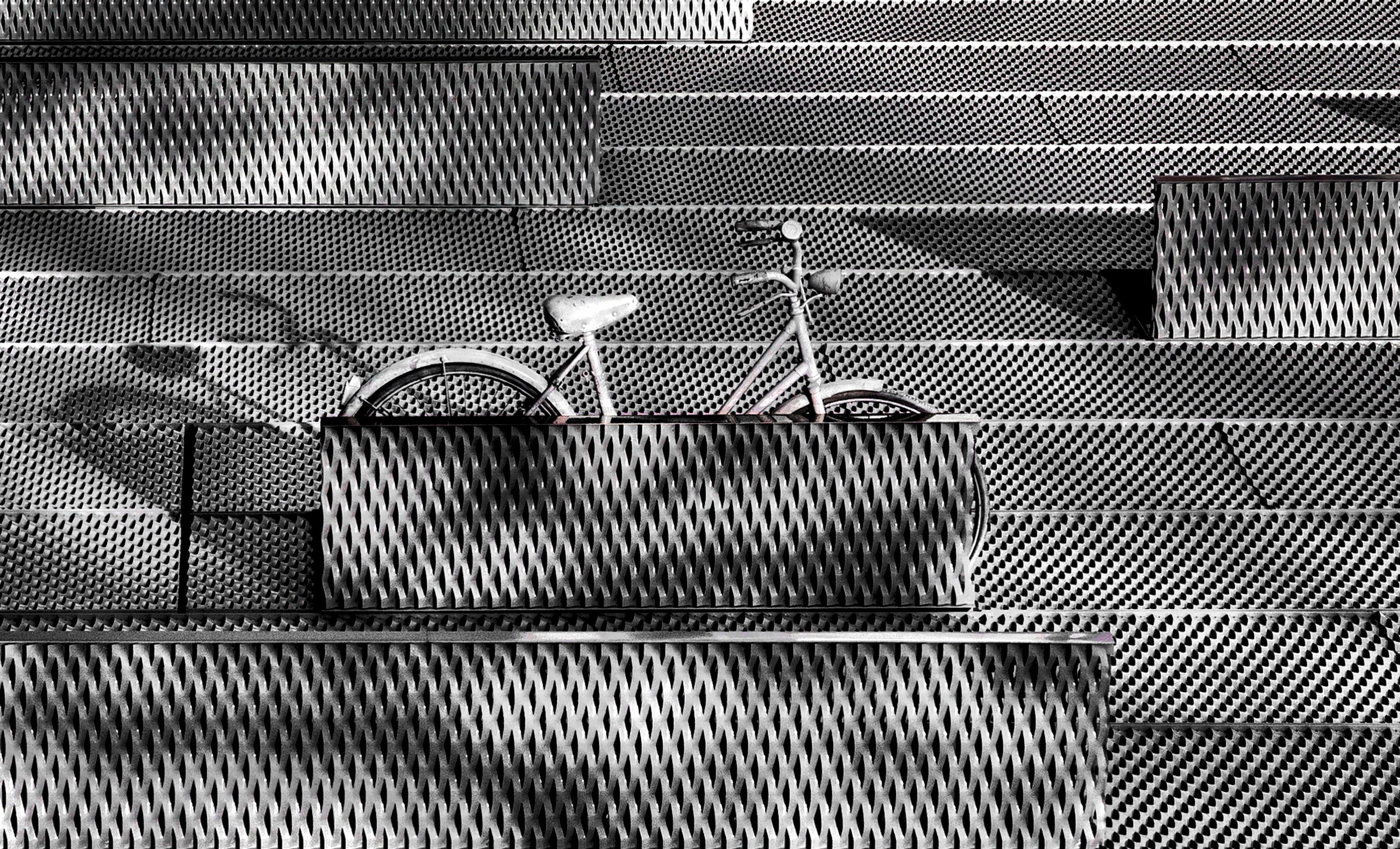
Are there words related to bikes and cycling that you don’t quite know the meaning of, and are a little embarrassed to ask? Here’s a handy explanation of some common terms, that should make your next trip to a bike shop a little easier.
Bidon
As cycling is so popular in France, many terms are French words used without translation. Bidon is one of them – and it simply means ‘bottle’.
Bottom bracket
This might sound like something included in an IKEA flat-pack set, but in fact describes a part of your bike you can’t see, that connects the chainset (see below) to the bike frame, allowing it to rotate freely so you can pedal.
Cadence
Cadence describes the number of times you make one full rotation of the pedals, and is usually measured in RPM or revolutions per minute.
Cassette
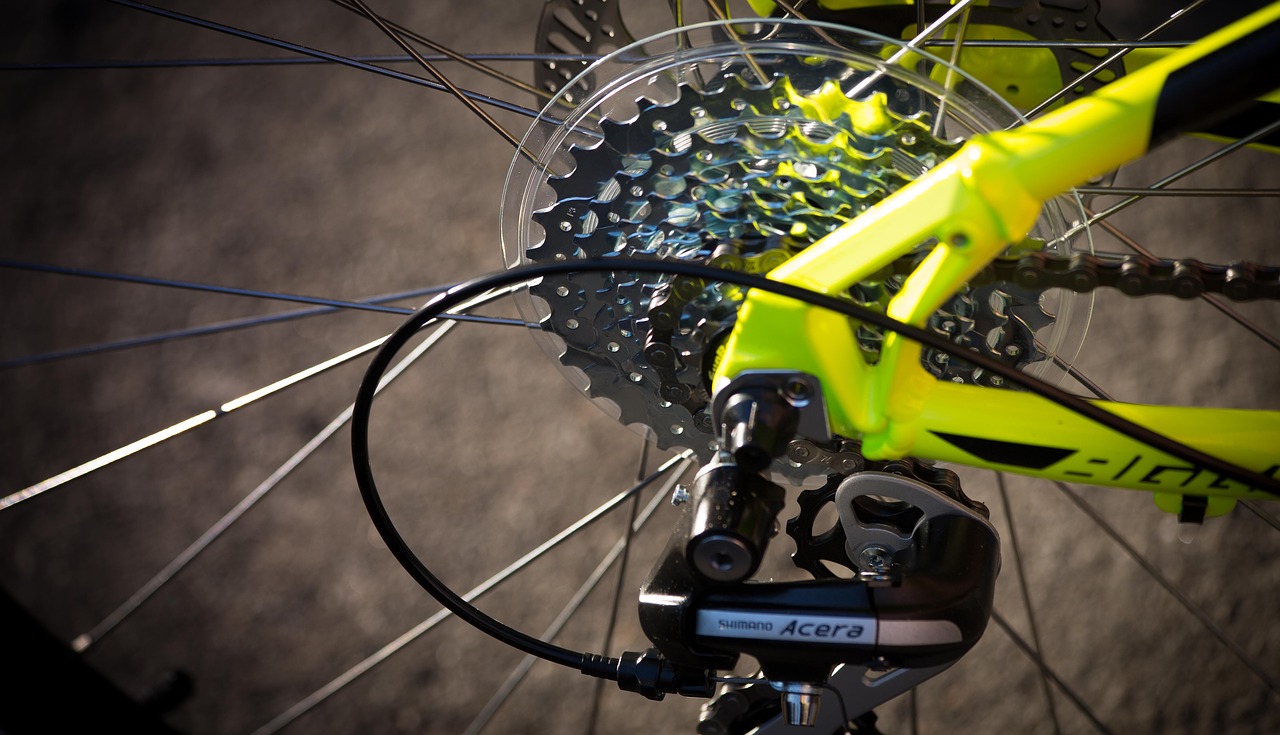
Anyone over the age of 30 might remember using a type of these to record the top 40 from the radio. The cycling type though refers to the collection of toothed metal cogs (see sprocket) at the centre of your back wheel that affect which gear you’re pedalling in. Just don’t stick a biro in this version, especially when moving!
Chainset
This is the collection of larger cogs at the middle of your bike. It features cranks – the arms connected your pedals to the bottom bracket, and chainrings, that like the cassette affect what gear you’re in.
Clipless
If you have shoes that connect to your pedals, then you ride ‘clipless’. It’s a bit of misleading term as you actually clip in using a cleat on the bottom of your shoe that fits into a connector on the pedal. The term comes from when most bikes used ‘toe clips’ which were straps that wrapped around the top of your foot to secure it on top of the pedal.
Derailleur
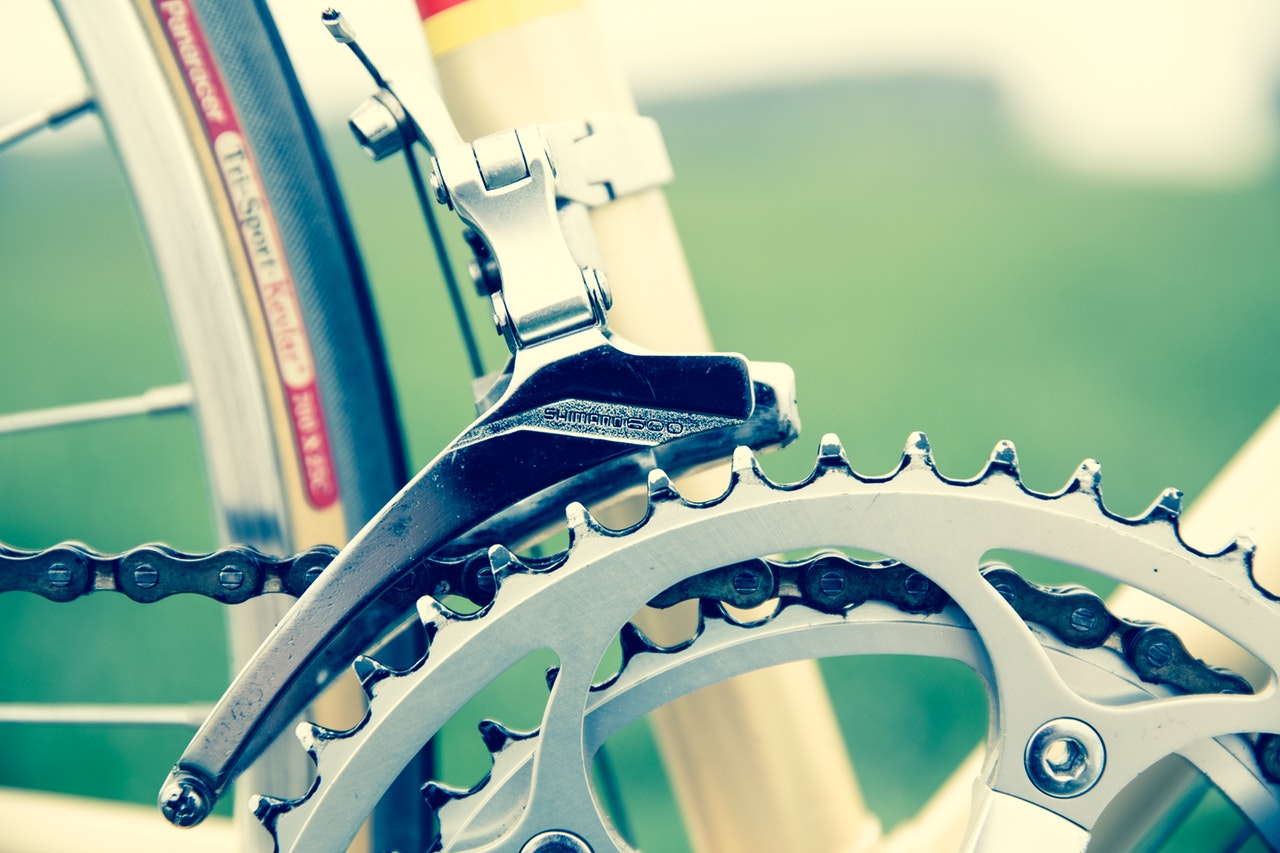
Another Gallic word, this describes the two mechanisms that allow you to change gears. There’s a front one that moves the chain on the different rings of your chainset, and a rear what that shifts the chain across the cogs on your cassette.
Forks
These are the two metal prongs that hold your front wheel onto the bike, that attach to the handlebars via the frame and headset (see below).
Freewheel
This is a piece of kit that allows you to do exactly what it says on the tin – free-wheel – great for when you need a rest or are swooping down long descents. The freewheel sits inside the cassette and contains a ratchet that allows your wheel to disengage and spin freely when you stop pedalling. A fixed-wheel bike doesn’t have a freewheel, hence why you have to keep pedalling.
Headset
Unlike the virtual reality ones, this doesn’t sit on your head but the head of the bike, inside the headtube. It contains bearings that allow your to turn the bars, and also keeps the forks from coming loose.
Hub
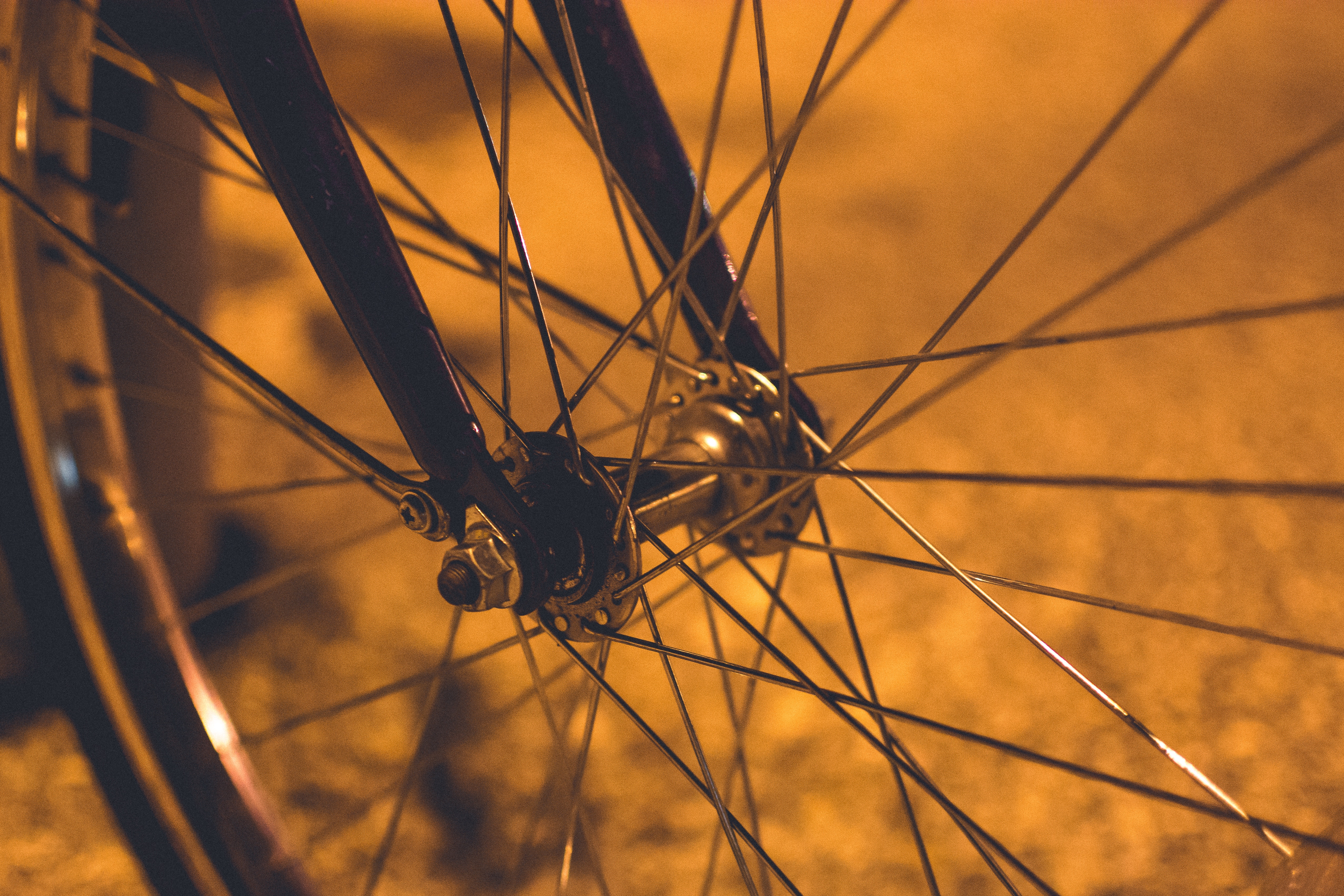
This is the metal cylinder that sits at the centre of both your front and back wheels. It’s attached to the spokes and contains bearings that allow your wheel to spin.
Presta
Presta is a trade name that’s used to describe a standard type of valve you attach to a pump when putting air into your tyres. It’s long and slender and is usually found on road bikes.
Schrader
This is the second type of valve, shorter and fatter than Presta, more commonly seen on mountain bikes, and found on most car tyres too.
Sprocket
A sprocket is a flat metal disc with teeth around the edges that connect with the chain, allowing you to propel the bike along by pedalling.
Hopefully that helps you feel a bit more in-tune with your bike. Got another bike-related term you’re not sure about? Why not get in touch via Twitter or Facebook and we’ll do our best to answer!